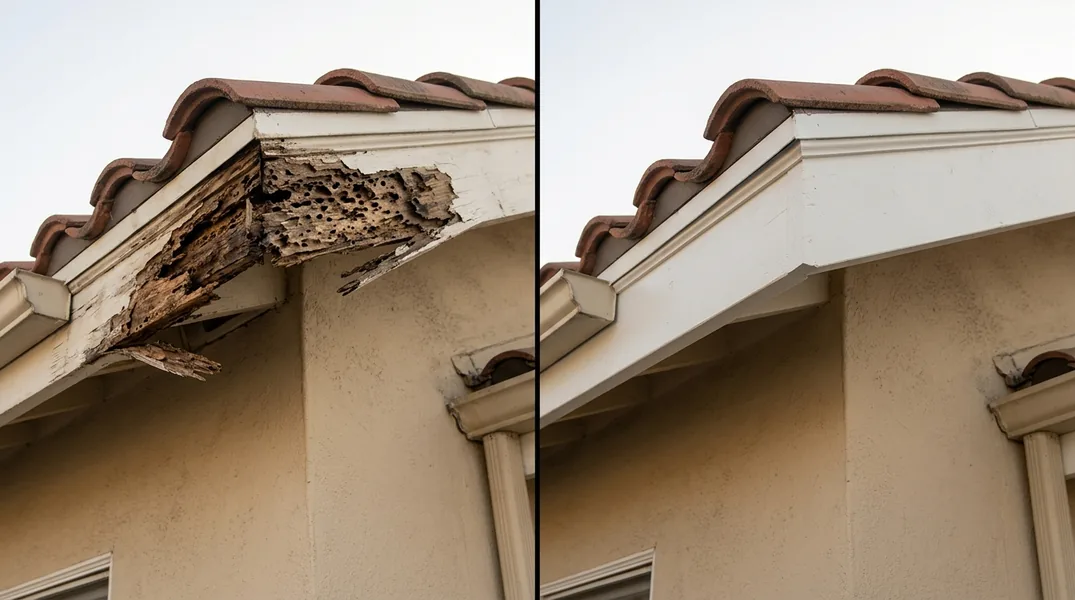
Is Termite Damage Covered by Homeowners Insurance?
One of the most frustrating discoveries a homeowner can make is learning that termites have invaded their property. The damage can be extensive, expensive to repair, and deeply concerning for the structural integrity of the home. Naturally, many Oceanside homeowners ask whether their insurance will cover the costs. The short answer is almost always no. Standard homeowners insurance policies explicitly exclude termite damage and other pest-related destruction from coverage.
This exclusion exists because termites are considered a preventable problem. Insurance companies view termite infestations as a maintenance issue that homeowners should address through regular inspections, preventive treatments, and proper home maintenance. Since termites work slowly over time rather than causing sudden, accidental damage like a fire or storm, insurers classify them differently from the sudden and accidental losses their policies are designed to cover. Understanding this distinction is crucial for any homeowner in Oceanside who wants to protect their property.
Why Insurance Companies Exclude Termite Damage
Insurance policies are structured around the principle of covering unexpected, sudden losses that are beyond a homeowner's reasonable control. Termite infestations don't fit this model. Unlike a lightning strike or a burst pipe from freezing temperatures, termite damage develops gradually over months or even years. This means homeowners have opportunities to detect and prevent the problem through regular inspections and preventive pest control measures. Insurance companies argue that if a homeowner fails to take these preventive steps, the resulting damage is not truly an unforeseeable loss.
Additionally, the cost of insuring termite damage would be prohibitively expensive for insurance companies in certain regions, including areas like Oceanside where the climate can be favorable to termite activity. Rather than absorb these costs and pass them on to all policyholders, insurers have decided to exclude pest damage entirely. This is standard across the insurance industry, and you'll find the same exclusion in virtually every homeowners policy across the United States. The burden of prevention and repair falls squarely on the homeowner.
What Happens After Termite Fumigation and Repair
Once termites have been identified and a fumigation treatment has been completed, the real work begins. Termite Damage Repair is a specialized process that requires assessing the extent of structural damage and replacing or reinforcing compromised wood. Many homeowners are surprised to learn that fumigation only eliminates the living termites; it does not repair the damage they've already caused. The wood that has been hollowed out, weakened, or destroyed still needs to be replaced or reinforced to restore the home's structural integrity.
After fumigation, a thorough inspection should reveal all areas where termites have fed. This might include damage to floor joists, beams, wall framing, or other load-bearing components. Depending on the severity, repairs might involve Floor Joist & Subfloor Repair or even Beam Replacement & Load-Bearing Wall Removal in extreme cases. Since insurance won't cover these repairs, homeowners need to budget separately for the restoration work. This is why early detection and prevention are so critical; the longer termites are left unchecked, the more extensive and expensive the repairs become.
Understanding Your Homeowners Insurance Policy
Every homeowners insurance policy contains an exclusions section that outlines what is not covered. Most policies will explicitly mention termites, wood-boring insects, and other pests as exclusions. Some policies may use broader language like 'damage caused by insects, rodents, or other pests,' which effectively rules out termite coverage. If you're unsure whether your policy covers termite damage, the best approach is to contact your insurance agent directly and ask them to show you the relevant section of your policy. Don't assume you're not covered; verify it in writing.
It's also worth asking your insurance agent whether your policy covers any secondary damage that might result from termites. For example, if termites damage a structural beam and that beam subsequently fails, causing water damage or other problems, there might be limited coverage for those secondary issues. However, the primary termite damage itself will almost certainly be excluded. Understanding these nuances can help you make informed decisions about pest prevention and when to seek professional help for repairs.
Prevention and Early Detection: Your Best Defense
Since termite damage is not covered by insurance, prevention becomes your most valuable tool. Regular termite inspections are the cornerstone of a solid prevention strategy. Many pest control companies recommend annual inspections, especially in warmer climates where termite activity is year-round. During an inspection, professionals look for visible signs of termites, mud tubes, wood damage, and conditions that attract termites such as excess moisture or wood-to-soil contact. Catching an infestation early, before it causes significant structural damage, can save you thousands of dollars in repair costs.
Beyond professional inspections, homeowners can take several preventive measures. These include maintaining proper drainage around your foundation, fixing leaky pipes and gutters, removing dead wood and debris from your yard, and ensuring that wood siding or trim doesn't make direct contact with the soil. Some homeowners also opt for preventive pest control treatments applied to the foundation and soil around their home. While these treatments come out of pocket, they are far less expensive than dealing with extensive termite damage and the subsequent repair work. If you notice signs of termite activity in your Oceanside home, don't delay; contact a pest control professional immediately and then reach out to a carpentry specialist to assess any structural damage.
When to Call a Professional for Termite Damage Repair
If your home has already suffered termite damage, it's time to bring in professionals who understand both the pest control and structural repair sides of the problem. After fumigation has eliminated the active infestation, you'll need a qualified carpenter to evaluate the damage and plan repairs. This is not a DIY project for most homeowners. Termite damage often affects structural components that are critical to your home's safety and stability. Incorrect repairs can create serious liability issues and may not pass building inspections if you ever sell your home.
The team at Oceanside Carpentry specializes in identifying and repairing termite damage throughout the Oceanside area. We can assess the full extent of damage, provide a detailed repair plan, and handle everything from minor wood replacement to major structural work. Whether your damage is limited to trim and siding or extends to critical framing members, we have the expertise to restore your home safely and to code. If you suspect termite damage or have recently completed fumigation and need repairs, contact us at (760) 512-8298 or visit our website to request a free estimate. We'll give you an honest assessment of the damage and pricing for the work needed.
Looking for a professional carpentry contractor in Oceanside? Oceanside Carpentry responds fast for all your carpentry needs.
Get a Free QuoteOur services: Wood Rot & Dry Rot Repair · Termite Damage Repair · Floor Joist & Subfloor Repair