Why Is My Floor Sagging? Common Causes in Older Oceanside Homes
If you own an older cottage or bungalow in Oceanside, you've probably noticed that your floors aren't quite as level as they used to be. That gentle slope or noticeable dip isn't just a quirk of vintage architecture, it's a red flag that something structural is going wrong beneath your feet. Sagging floors develop over time, and understanding what causes them is the first step toward getting them fixed.
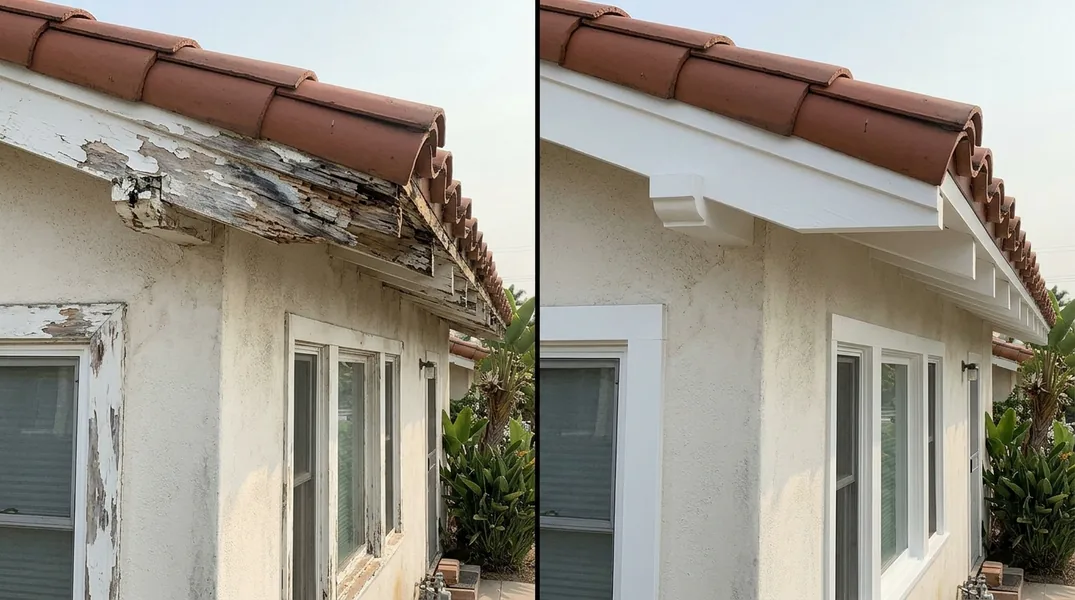
The most common culprit behind sagging floors in older homes is Wood Rot & Dry Rot Repair issues. Oceanside's coastal climate, with its salt air and moisture, creates the perfect environment for wood deterioration. When the wooden support beams and floor joists beneath your home absorb moisture over decades, the wood fibers break down and lose their structural integrity. A beam that once supported thousands of pounds of weight can become soft and spongy, unable to bear the load anymore. This causes the floor above to gradually settle and sag. Termite Damage Repair is another serious cause, especially in coastal San Diego County properties where termite activity thrives year-round. Termites tunnel through wood, hollowing it out from the inside while leaving the surface seemingly intact. By the time you notice a sagging floor, termites may have already compromised significant portions of your structural framing.
Foundation settling and inadequate support are also common reasons floors begin to slope. Older homes sometimes lack sufficient support posts or beams spaced too far apart. Over time, gravity and the weight of the structure cause the wood to deflect downward. Poor ventilation in crawl spaces accelerates both rot and termite problems, trapping moisture that wood-boring insects and fungi thrive on. The combination of age, moisture, and inadequate maintenance creates the perfect storm for sagging floors.
Understanding Floor Joist Repair and Sistering Techniques
Floor Joist & Subfloor Repair is one of the most common solutions for sagging floors, and understanding what's involved helps you make informed decisions about your home. Floor joists are the horizontal beams that run beneath your flooring, transferring the weight of everything above down to the foundation and support posts. When these joists weaken or fail, the entire floor system becomes compromised. The good news is that modern repair techniques can restore structural integrity without requiring a complete replacement.
Sistering floor joists is a proven method that involves fastening a new, strong piece of lumber alongside a damaged or weakened joist. The sister joist, as it's called, shares the load with the existing beam, effectively doubling the support capacity. This technique works particularly well when the damage is localized to specific joists rather than affecting the entire support system. The sister joist is bolted and nailed securely to the original, creating a unified structural member. This approach is less invasive than full beam replacement and often costs considerably less while still providing lasting results. The process requires precision, however, because improper installation can leave gaps or fail to fully transfer loads, defeating the purpose of the repair.
In some cases, particularly where rot or termite damage is extensive, a complete joist replacement may be necessary. This involves removing the damaged joist entirely and installing a new one in its place. Depending on the location and how the joist is connected to the rest of the structure, this can be a complex job requiring temporary support systems to hold the floor up during the work. That's why hiring experienced professionals matters tremendously. Improper temporary support during joist replacement can cause additional damage or even create safety hazards.
Sagging Floor Repair: What Your Options Really Are
When you're facing sagging floors, you have several repair approaches to consider, each with different levels of complexity and cost. The right choice depends on the extent of damage, the cause, and the structural layout of your home. Some repairs can be tackled relatively quickly, while others require more extensive work and planning.
For minor sagging caused by deflection in otherwise sound joists, adding additional support posts or installing new beam systems can redistribute the load and prevent further settling. This approach works best when the existing wood structure is still fundamentally sound but simply lacks enough support points. Beam Replacement & Load-Bearing Wall Removal may be necessary in cases where the primary support structure has failed or where you want to open up living spaces by removing support walls. This is a major undertaking that typically requires structural engineering, building permits, and temporary support systems during construction.
If rot or termite damage is the underlying cause, simply sistering joists without addressing the moisture or pest problem will only provide a temporary fix. The new wood will eventually suffer the same fate as the original if the environment isn't corrected. That's why comprehensive repairs often include crawl space improvements like vapor barriers, improved ventilation, pest treatments, and moisture management. Some homeowners also choose to have damaged wood tested and treated to prevent future infestation. The most effective repairs address both the symptom (sagging) and the cause (moisture, pests, or inadequate support).
Sagging Floor Repair Cost in Oceanside: What to Budget
Understanding the real costs involved in sagging floor repair helps you plan your budget and evaluate contractor quotes. Repair expenses vary tremendously based on the extent of damage, the number of joists affected, and the complexity of access. A simple sistering job on one or two joists in an easily accessible crawl space might cost anywhere from $1,500 to $3,500, while extensive repairs involving multiple joists, beam replacement, or foundation work can easily exceed $10,000 to $25,000 or more.
Several factors influence final pricing. First, the accessibility of the damaged area matters significantly. Homes with full basements allow easier access than those with cramped crawl spaces, and this affects labor time and material handling. Second, the amount of damage determines whether you need sistering, full joist replacement, or beam work. Third, if the root cause is moisture or pests, addressing those issues adds to the overall cost but prevents recurrence. Fourth, whether your repair requires building permits and inspections will add fees and timelines. Finally, the quality of materials and the reputation of the contractor both influence pricing.
Don't automatically choose the lowest bid. Sagging floor repair is structural work that affects your home's safety and value. A contractor who underestimates the scope of work or uses inferior materials may create problems that cost far more to fix later. Instead, get multiple free estimate quotes from established local contractors who can inspect your specific situation and explain their recommendations. Oceanside Carpentry has been serving the community for years and can provide honest assessments and competitive pricing for your unique situation. Call (760) 512-8298 to schedule a consultation.
When to Call a Professional Near Me: Signs Your Floor Needs Immediate Attention
Not every slightly uneven floor requires emergency repairs, but certain signs indicate you should call a professional right away. If you notice a sudden change in floor level, new cracks in walls or ceilings, doors that won't close properly, or visible sagging in the center of a room, these are clear indicators that structural movement is happening. Soft or spongy spots in the floor, a musty smell in the crawl space, or visible mold growth also suggest that moisture and rot are actively damaging your structural framing. The longer these issues persist, the more extensive and expensive the repairs become.
Living in Oceanside, you should be particularly attentive to moisture issues given our coastal environment. Homes within a few miles of the ocean face accelerated wood deterioration due to salt air and higher humidity levels. If you suspect sagging floors or structural damage, don't wait. Early intervention can mean the difference between a focused repair and a major reconstruction project. A professional inspection can identify problems before they become catastrophic and can recommend the most cost-effective solutions. Oceanside Carpentry specializes in exactly this type of structural assessment and repair work. We'll examine your floor system, identify the root cause, and provide clear recommendations with honest pricing before any work begins. Contact us today at (760) 512-8298 or visit our website at https://oceanside-carpentry.com to request your free estimate.
Preventing Future Sagging: Maintenance Tips for Oceanside Homeowners
Once you've invested in repairing your sagging floors, protecting your investment through proper maintenance is essential. The best defense against future structural problems is moisture control. Ensure your crawl space has adequate ventilation and consider installing a vapor barrier if one doesn't exist. Gutters and downspouts should direct water away from your foundation, and any grading around your home should slope away to prevent water from pooling near the structure. Address plumbing leaks immediately, as water dripping onto wooden support structures can cause rapid deterioration.
Regular inspections of your crawl space or basement catch problems early. Look for signs of moisture, mold, pest activity, or wood damage. Many homeowners find it helpful to have a professional inspection every few years, particularly in older homes. If you've had termite damage, consider periodic pest control treatments to prevent reinfestation. Proper ventilation and moisture management also reduce the likelihood of future termite problems, since these pests thrive in damp environments. By staying proactive, you can add decades to the life of your structural framing and avoid the disruption and expense of major repairs down the road. If you have questions about maintenance or want a professional assessment of your home's current condition, Oceanside Carpentry is here to help. Call (760) 512-8298 today.
Looking for a professional carpentry contractor in Oceanside? Oceanside Carpentry responds fast for all your carpentry needs.
Get a Free QuoteOur services: Wood Rot & Dry Rot Repair · Termite Damage Repair · Floor Joist & Subfloor Repair